
Kia ora, Talofa lava, Mālō e lelei, Ni sa bula vinaka, Namaste, 你好, Kia orana, Taloha ni, Ia orana, 안녕하세요, Fakaalofa lahi atu, ‘Alii, Malo ni, Halo Olaketa, Salam alaikum, Mauri, Aloha mai e, and warm greetings.
KiwiASQ
Many thanks to all our participants.
404
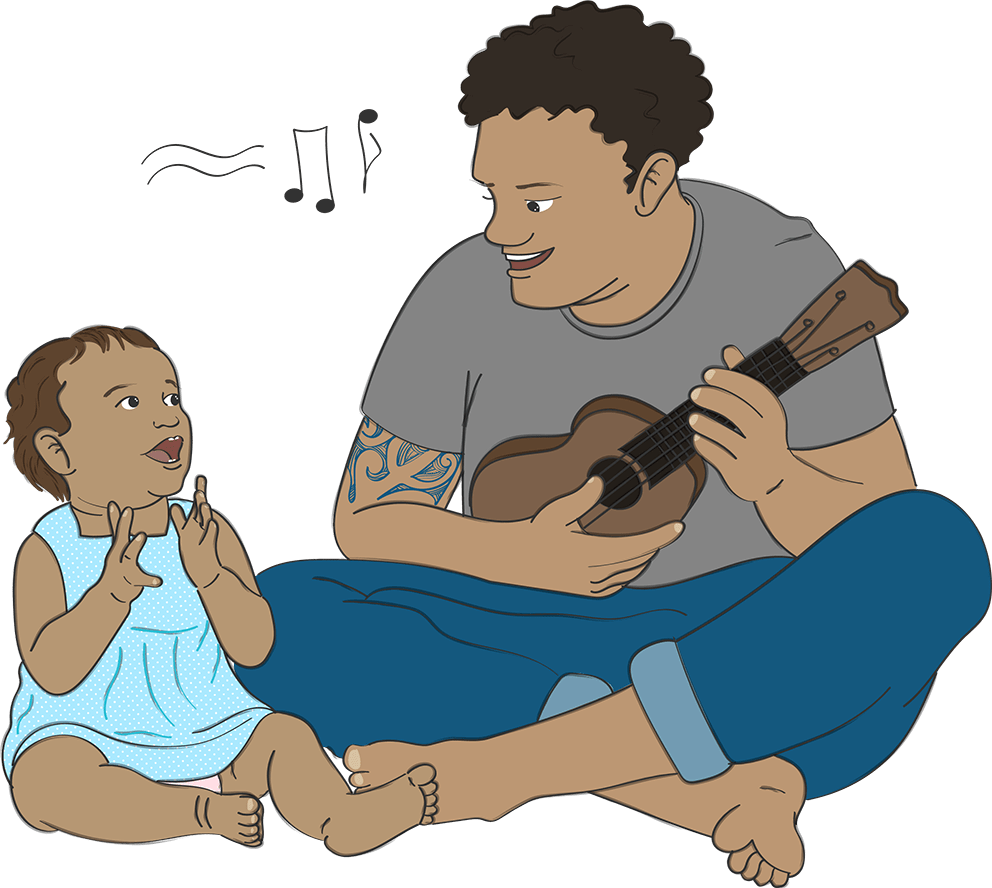
pēpē and tamariki
and their whānau.
All children in Aotearoa New Zealand have free well child checks from 0-5 years of age. These well checks support parents, and check growth and development are on track. If additional support is needed, children and their caregivers are linked with the most appropriate services.
The Ages and Stages questionnaire (ASQ-3) has been adapted so it suits the languages and cultures of Aotearoa New Zealand. The KiwiASQ can be completed online or on paper and has colourful examples of activity’s children do. It asks about developmental skills that parents in Aotearoa New Zealand value. There is a behaviour and emotions section so that these important skills for young children are identified and understood.
We have tested KiwiASQ with kiwi kids and parents: to make sure it is easy to use and understand, appropriate, and acceptable to all communities. We are checking it correctly identifies the children and caregivers who need additional support. We have your feedback about how to make it better.
The KiwiASQ was designed for children aged 3 years +/- 3 months and will hopefully replace the Before School Check (B4SC) done at 4 years. Exploring development at 3 years of age means we can make sure that development is on track and there is plenty of time for support before starting school, IF this is needed. We have now expanded to other ages which match the Well Child checks.
We have seen 404 children at 9, 12, 18, 24 and 36 months: approx. 100 Māori, 100 Pacific, 100 Asian and 100 NZ European/Other caregivers across all ages. This is just the right number to make sure it is working well. Ka pai. Many thanks.
We are now examining the results, making changes based on your feedback, and talking to the Government about future roll out as THE way to explore development. We know this will result in increased and earlier identification of developmental differences, thus are working with others on several areas:
- Increased professional development for well child nurses and kaiako re development and developmental differences
- Increased information about child development, milestones, and strategies all parents can use to support their child’s development. Available on KidsHealth
- When to ask for more support and where. Available on KidsHealth
- We are planning a study to compare current referral and support pathways for children with early social interaction, communication and behaviour differences with new pathways based on need rather than diagnosis
- We are also exploring the use of high level, non-identifiable data from the kiwiASQ to help with policy and planning. Imagine you knew 70% of the tamariki in your community were developmentally on track. The majority of those that weren’t, were developmentally vulnerable for communication. That could help planning about libraries, free book plans, early reading projects, the importance of early interaction, and could guide the community and government about where to place new support and intervention.
We will post updates when we can and welcome any questions.
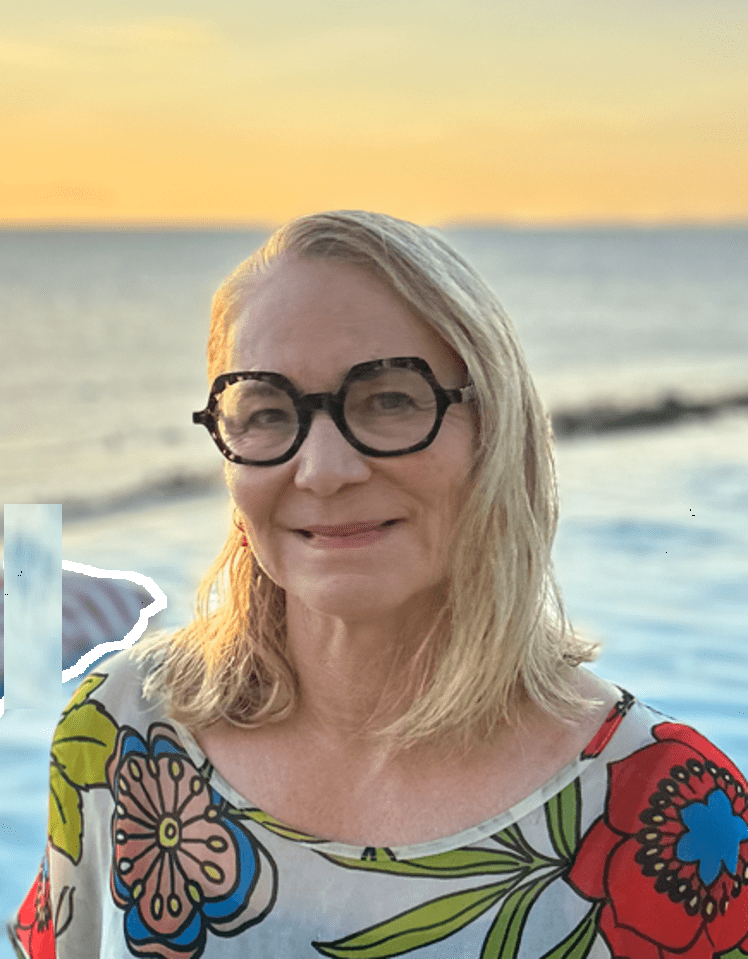
Many thanks from Dr. Alison, Starship Paediatrician, and the rest of the kiwiASQ team
We could not have done this without your support and aroha.
Preliminary results will be sent to all participants shortly.
Let us know if anyone else wants the update.

